What types of specialty gas cylinders does KUNVESS manufacture?
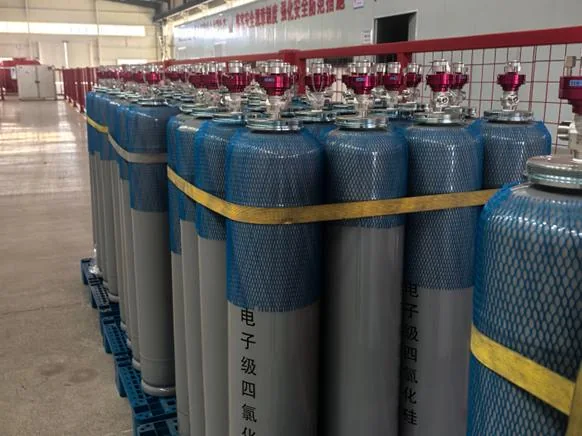
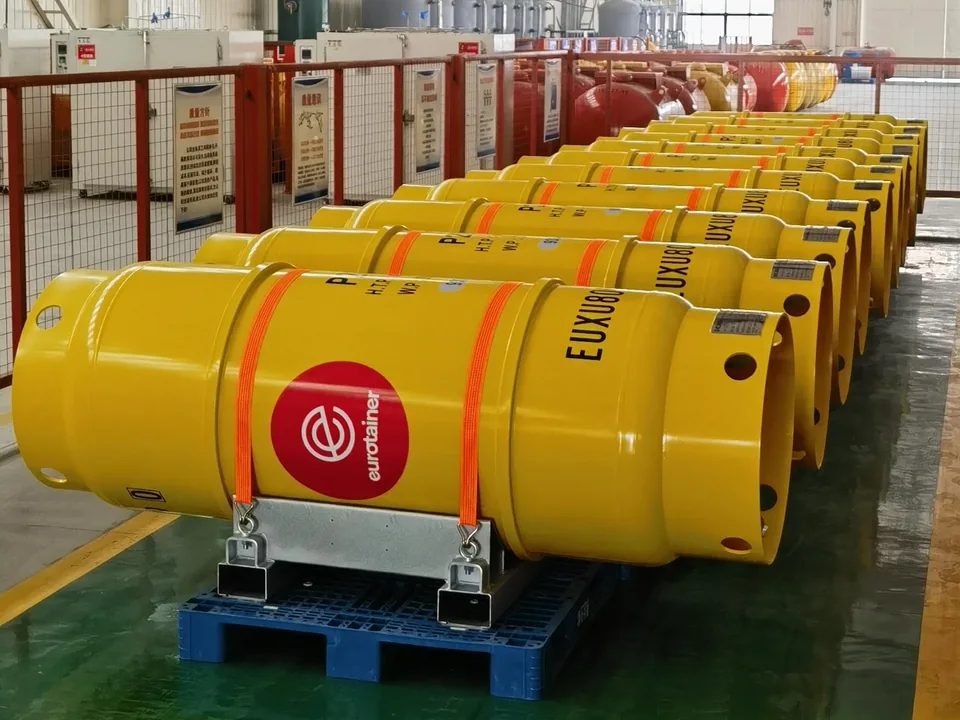
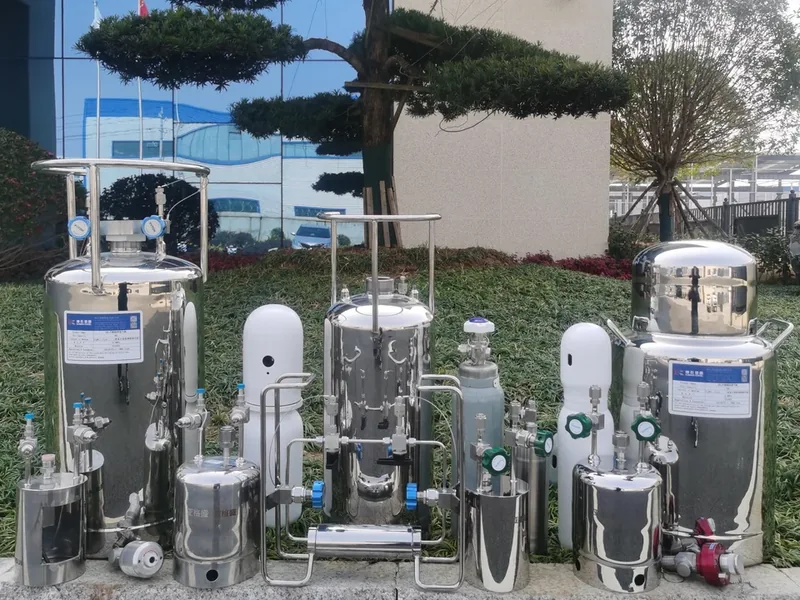
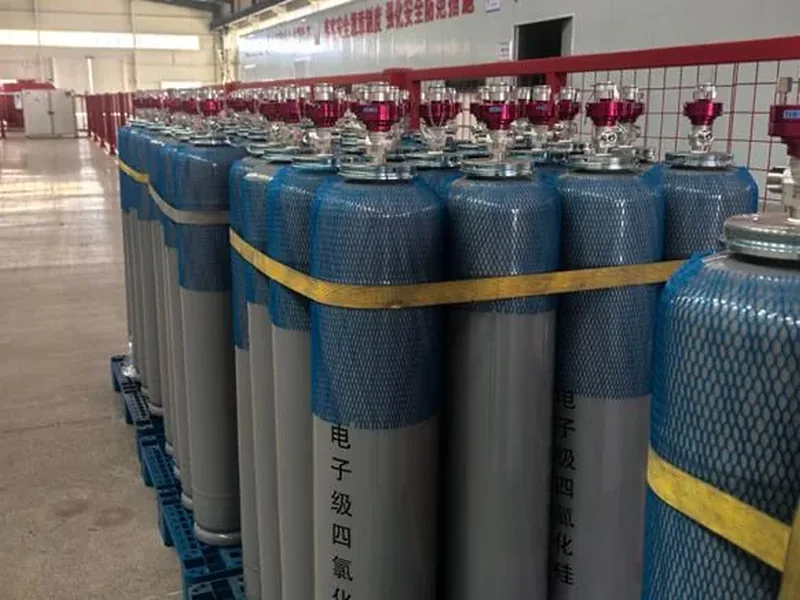
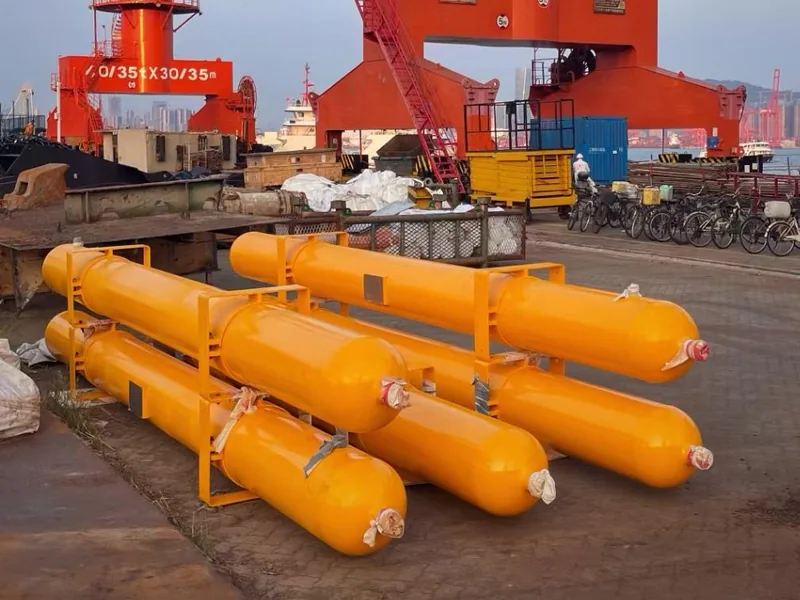
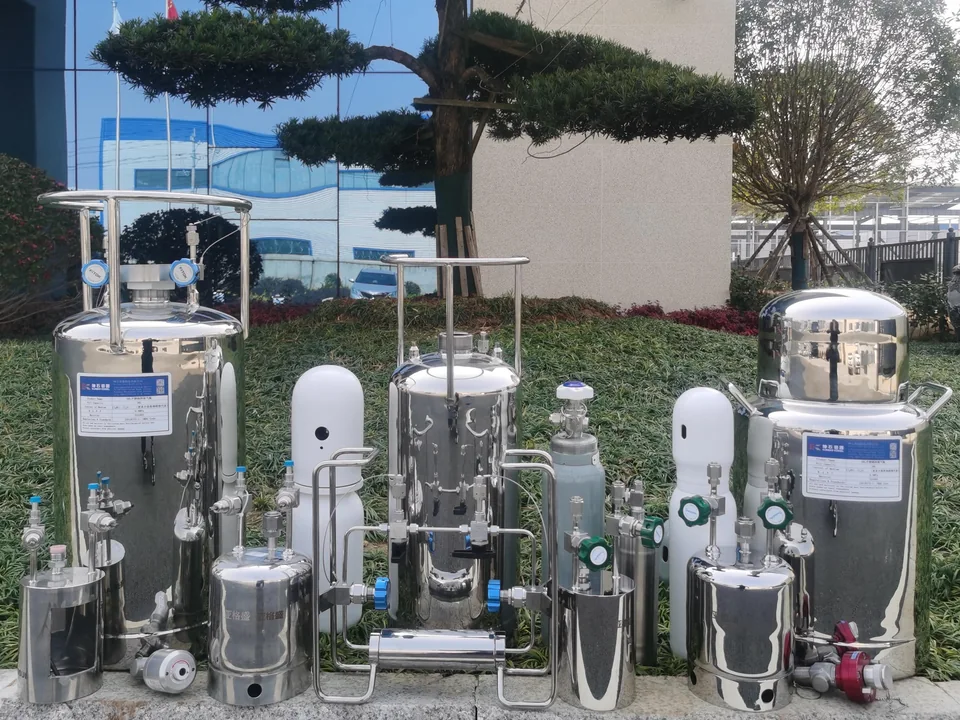
KUNVESS manufactures small, medium and large specialty gas cylinders, high-purity stainless steel cylinders and selected carbon steel cylinder configurations. Equipment can be evaluated for electronic specialty gases, semiconductor precursors and other industrial chemical media.
What cylinder capacities are available?
Small specialty gas cylinders cover 0.5–150 L, medium cylinders cover 1–145 L, and large specialty cylinders cover 150–1,000 L. These equipment families have overlapping capacity ranges. Available capacity depends on material, working pressure, chemical compatibility and approval requirements.
Do you manufacture high-purity cylinders for semiconductor chemicals?
Yes. We manufacture specialty containment equipment for selected semiconductor chemicals and electronic gases, including TEOS, TEB, TMA, WF6 and other application-specific media. Chemical compatibility, purity requirements and applicable approvals must be confirmed for each equipment configuration.
Which stainless steel materials are available for high-purity cylinders?
Material options include selected grades of 316L, 316LV, 316LVV and 304 stainless steel. Specialty materials can also be evaluated according to chemical compatibility, contamination limits, mechanical properties and manufacturing requirements.
What is an electropolished gas cylinder?
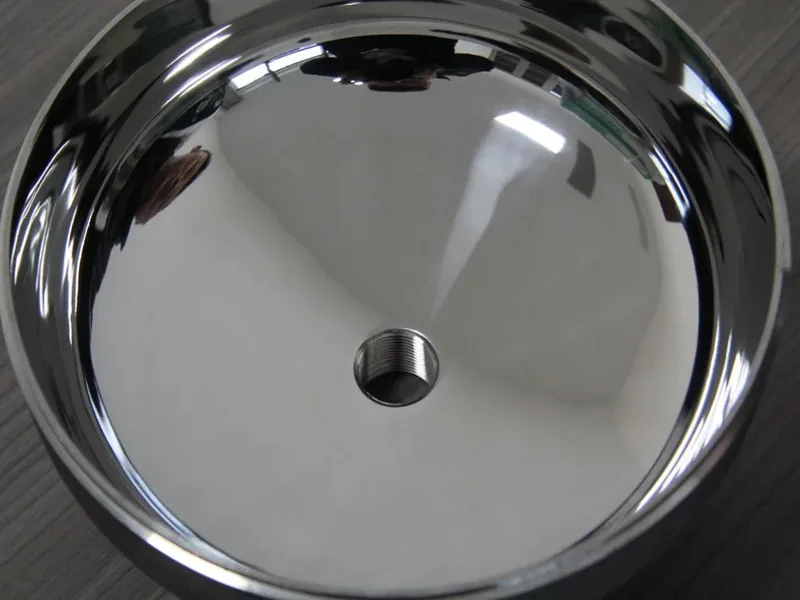
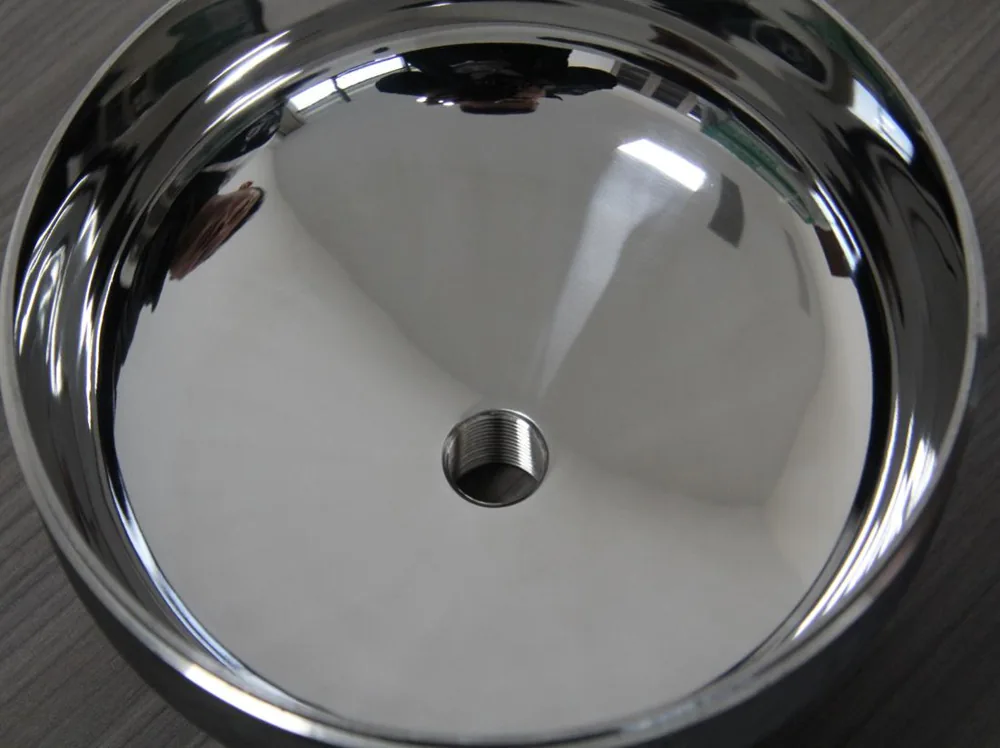
An electropolished gas cylinder has a metal surface treated through an electrochemical finishing process. This treatment can improve surface smoothness and support cleanliness requirements. Selected small-cylinder designs offer Ra 0.07–0.25 μm internal surface finish options.
Do you provide helium leak testing for high-purity cylinders?
Helium leak testing is available for selected specialty gas cylinder configurations. Certain small-cylinder specifications include a helium leak rate of no more than 1 × 10⁻⁹ Pa·m³/s. The applicable test method, acceptance criteria and documentation must be agreed for the specific equipment.
What is the difference between a UN portable tank and an ISO tank container?
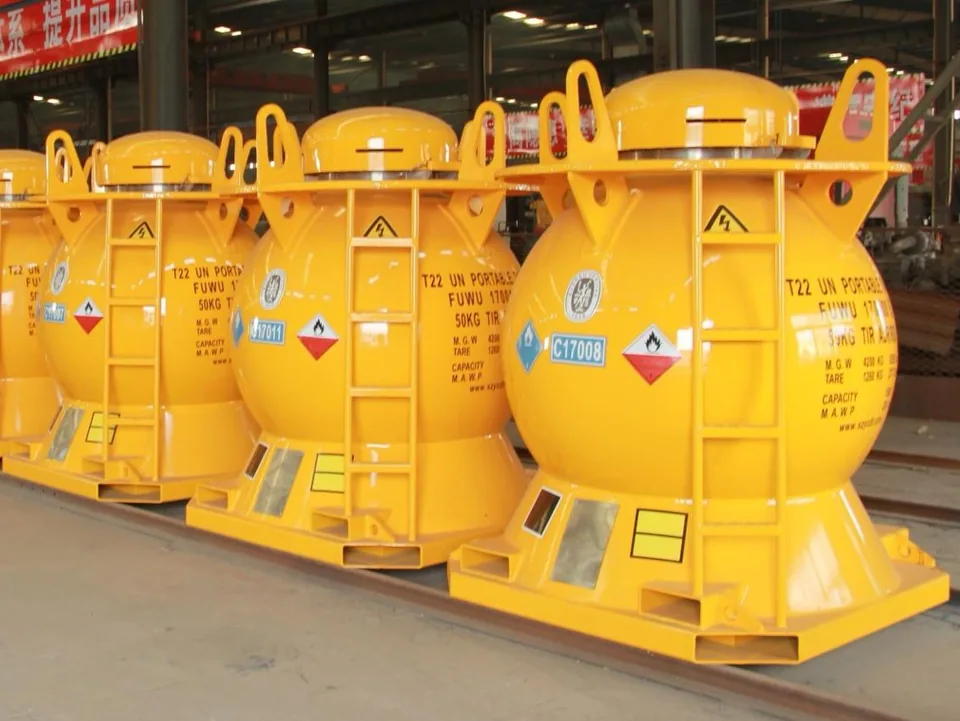
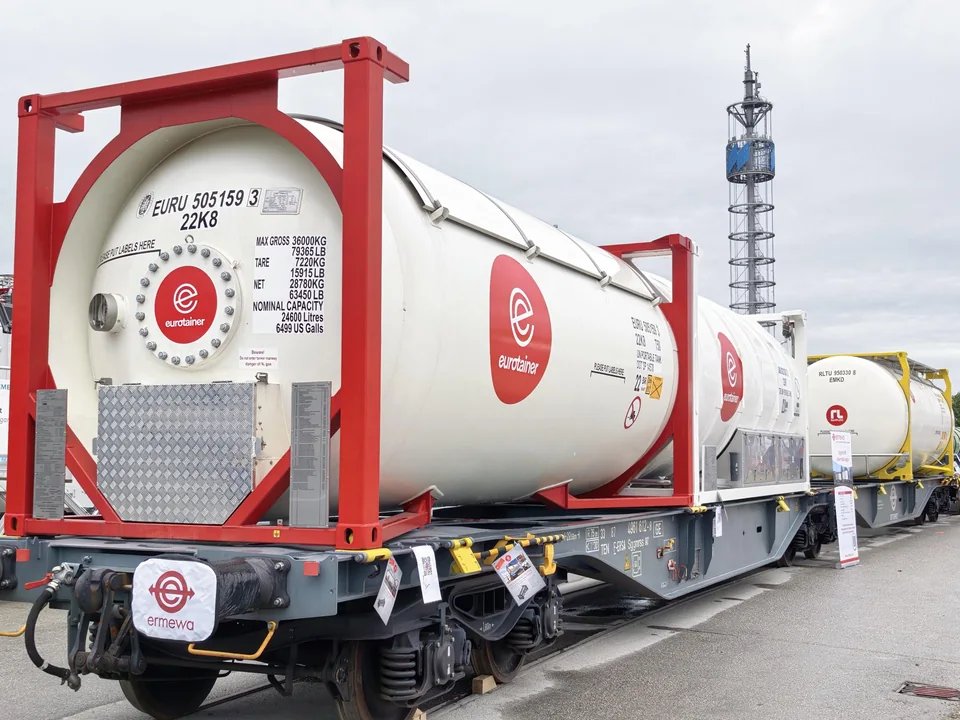
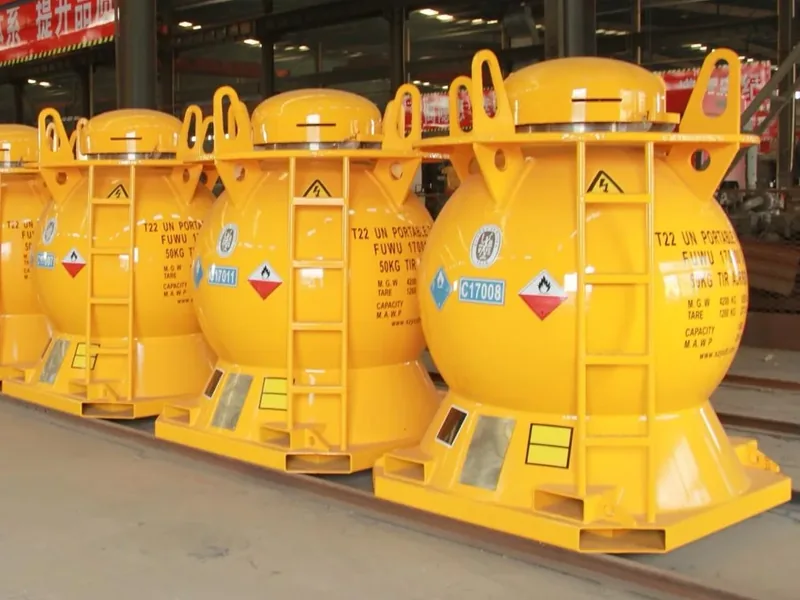
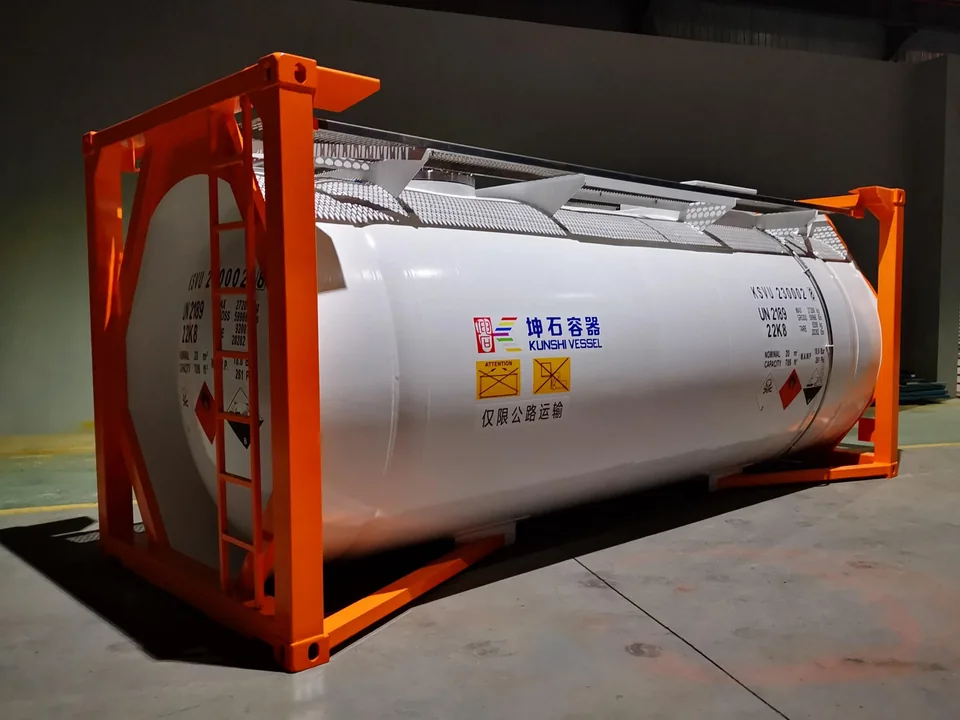
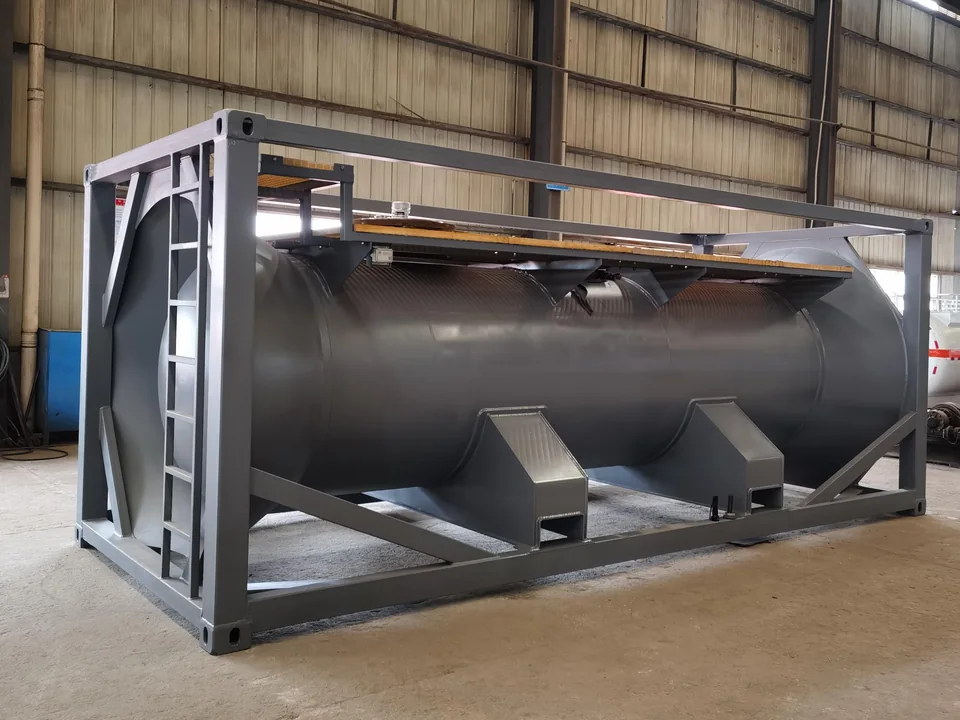
A UN portable tank is transportable containment equipment subject to applicable dangerous goods tank requirements. An ISO tank container incorporates a tank into a standardized container structure for intermodal logistics. These classifications can overlap. Equipment selection depends on chemical classification, tank instruction, capacity and transport route.
What sizes of UN portable tanks do you manufacture?
Our UN portable tank manufacturing range covers approximately 450–7,500 L. Representative configurations include 1,200 L, 1,880 L, 3,220 L and 7,500 L tanks. Final capacity, working pressure and approval requirements depend on the chemical medium and project specifications.
Can you supply T50 and T22 ISO tank containers?
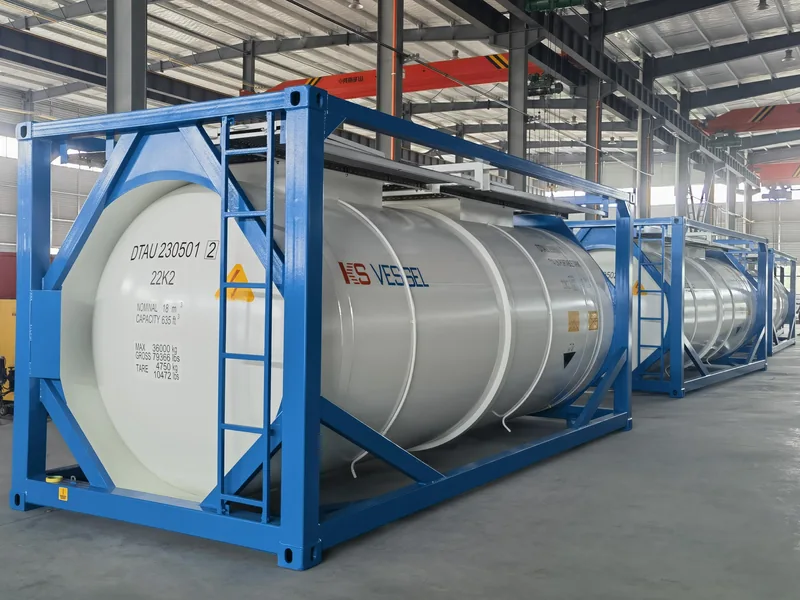
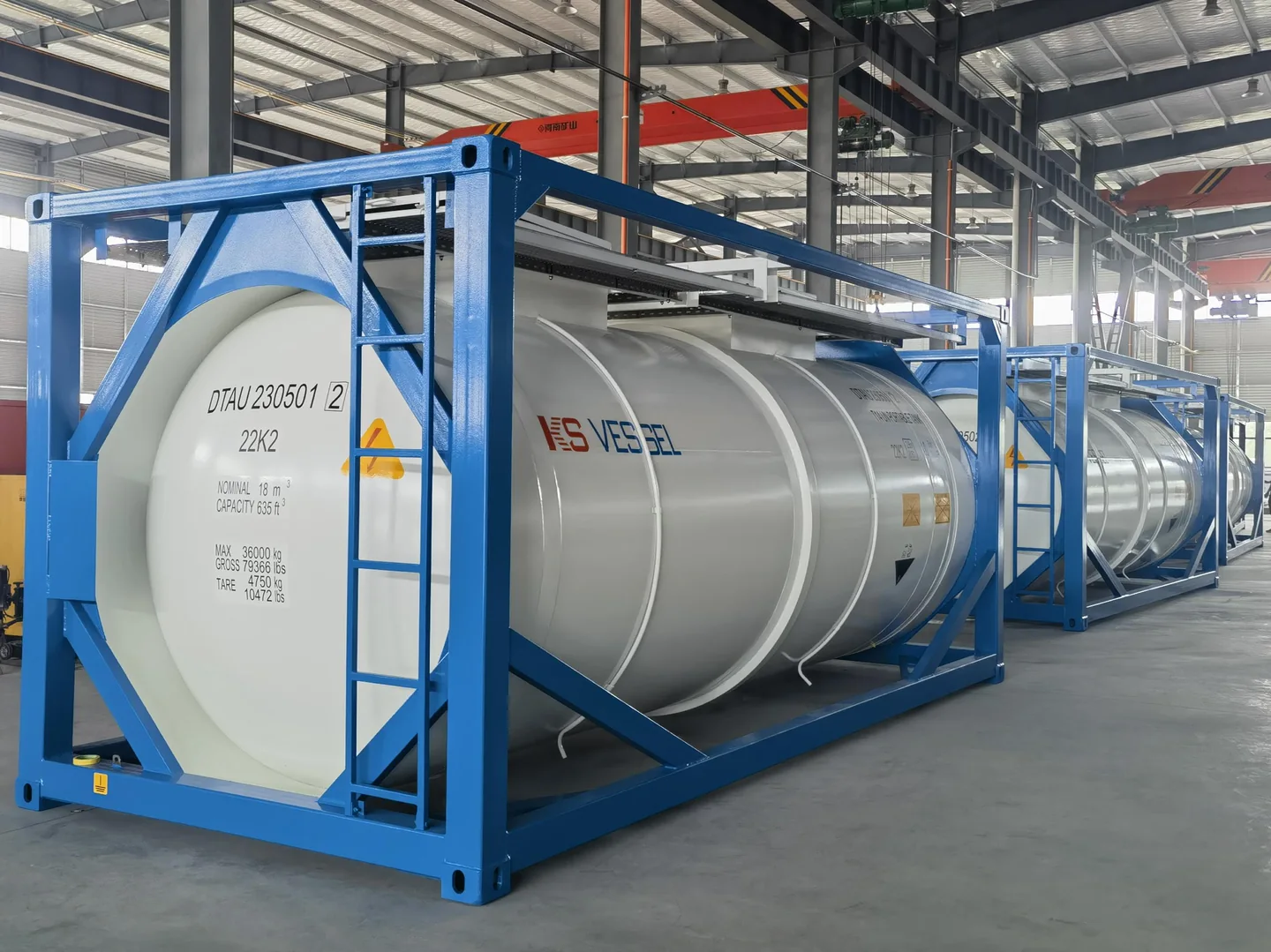
Yes. Our manufacturing capabilities include T50 specialty gas tank configurations and T22 bromine tank configurations, together with other specialty ISO tank designs. The appropriate tank instruction, materials and approval documentation must be confirmed for the specific transport application.
Can you manufacture tanks for corrosive chemicals?
Yes. We evaluate stainless steel, specialty alloys, internal linings, protective coatings and other corrosion-resistant treatments for selected chemical media. Chemical concentration, impurities, operating temperature and material compatibility must be reviewed before confirming a suitable design.
Do all cylinders and tanks have ASME, TPED, DOT or UN approvals?
No. Approval requirements differ by equipment type, chemical medium and destination market. Manufacturing authorization does not automatically establish approval for every product. Customers should request current certificates and documentation covering the specific model and intended application.
Can you manufacture custom pressure vessels from drawings?
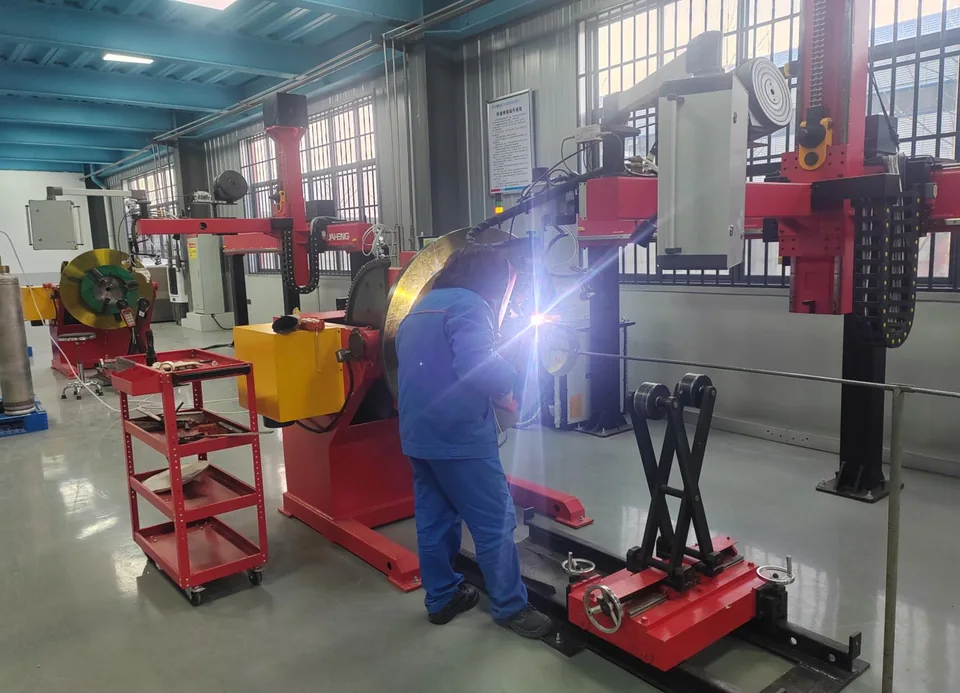
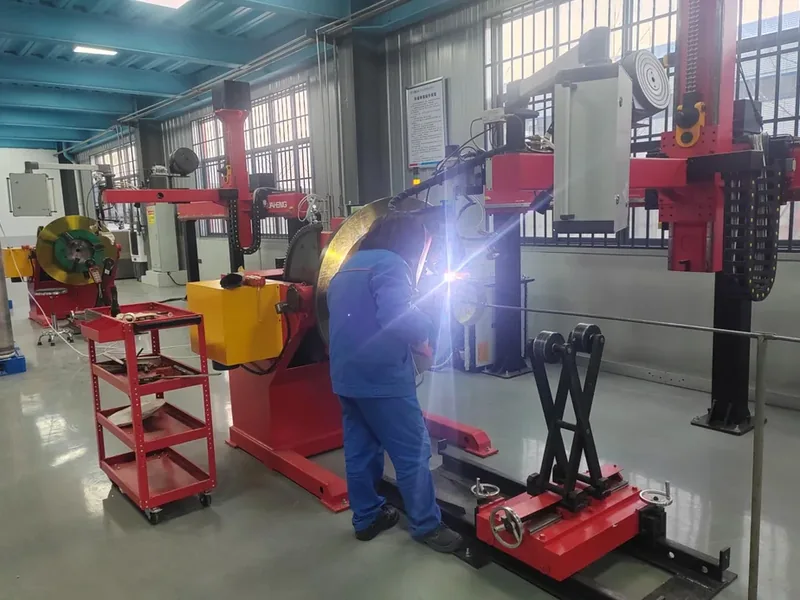
Yes. KUNVESS supports custom vessel manufacturing based on technical drawings, project specifications or approved samples. Projects are reviewed for manufacturing feasibility, operating conditions, material selection and applicable pressure equipment design requirements.
Do you provide custom gas cylinder valves and CGA fittings?
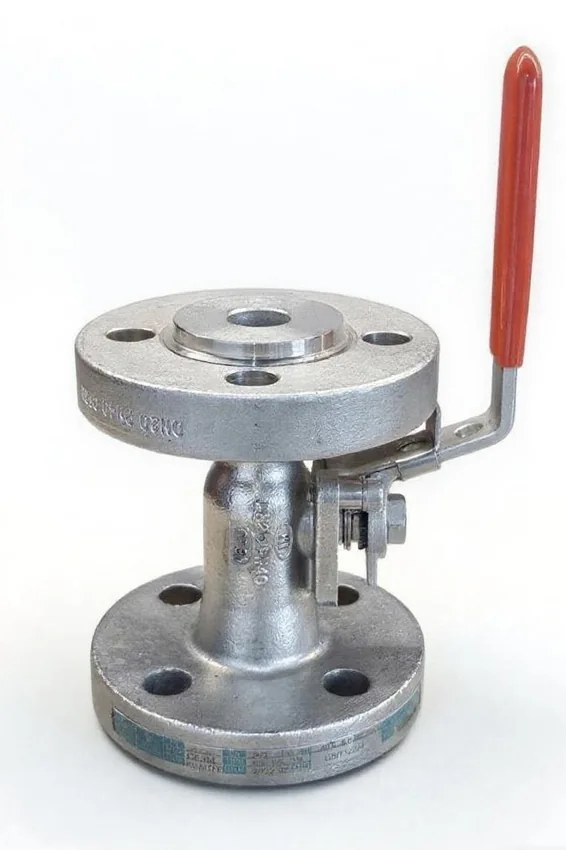
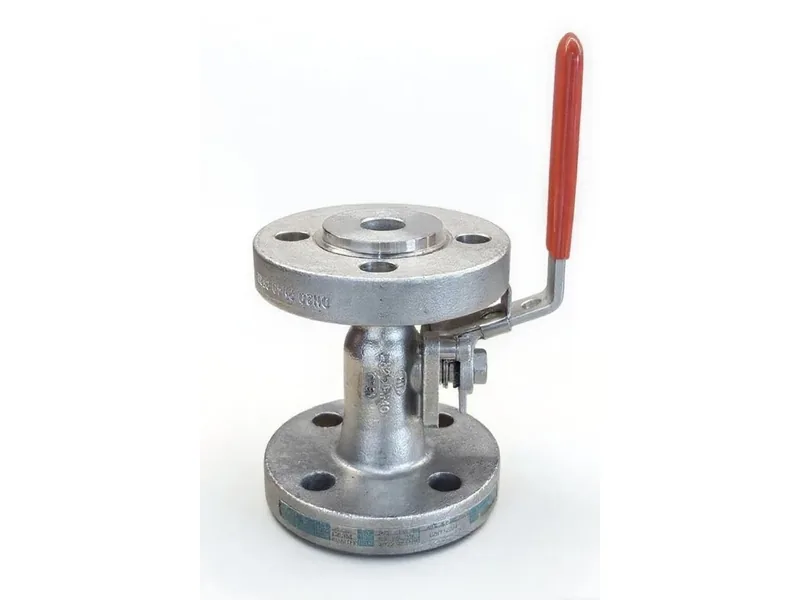
Yes. Our mechanical manufacturing capabilities include selected stainless steel valves, CGA connectors, specialty gas fittings, flanges, adapters, cylinder protection components and custom-machined parts. Manufacturing feasibility and compatibility are evaluated against the requested specifications.
Do you provide cylinder inspection and tank maintenance services?
Yes. Our service capabilities include selected cylinder and tank inspection, internal cleaning, surface treatment, refurbishment, valve maintenance and component replacement. Service availability and applicable inspection authorization depend on equipment type, condition and location.
How much does a custom specialty gas cylinder or chemical tank cost?
Pricing depends on capacity, material grade, pressure rating, internal surface finish, valves, testing requirements, certification scope and order quantity. A technical review of your specifications is required before an accurate quotation can be prepared.
What is your minimum order quantity for custom cylinders and tanks?
Minimum order quantity depends on equipment design, manufacturing complexity, material availability and project requirements. Custom projects and repeat production orders are evaluated individually. The applicable minimum order quantity is confirmed during the quotation process.
What is the manufacturing lead time for specialty gas cylinders and ISO tanks?
Manufacturing lead time depends on equipment design, order quantity, material availability, surface treatment, testing and approval requirements. An estimated production schedule is provided after technical specifications and commercial requirements have been reviewed.
Can you supply specialty cylinders and chemical tanks to international customers?
Yes. KUNVESS supports international industrial equipment enquiries. Supply feasibility, destination-specific approvals, inspection arrangements, technical documentation and delivery terms are reviewed individually for each project.
What information is required to request a technical quotation?
Please provide the chemical name or UN number, safety data sheet, required capacity, operating pressure, temperature, material, purity or surface finish requirements, valve connections, required certifications, order quantity and destination. Technical drawings or existing equipment specifications are helpful when available.

 Semiconductor Precursors